
We will tell you when AI is the wrong answer
Plenty of problems are better solved by fixing a form, changing a process, or writing fifty lines of ordinary code. Our assessment helps you choose the approach that fits the problem.
About River City Ventures
Based in Sacramento, River City Ventures helps businesses find useful applications for AI, train their employees, and build solutions with support beyond launch.
Why We Exist
There is no shortage of companies willing to sell you an AI strategy deck. There are far fewer willing to sit with your operations team, watch how the work actually gets done, and say plainly which parts AI should not touch.
River City Ventures was built around that second thing. We take on engagements where we can point at a number afterwards: hours returned, errors caught, backlog cleared. We decline the ones where we cannot.
The measure of a good engagement is that your team keeps using what we build. We support that with practical training, documentation, and an ongoing maintenance plan when you need one.
How We Operate
Plenty of problems are better solved by fixing a form, changing a process, or writing fifty lines of ordinary code. Our assessment helps you choose the approach that fits the problem.
Development starts with a focused pilot and agreed measures of success. You should never be months in before you know whether it works.
We build so your people can run, adjust, and extend it. Documentation, training, and source code are part of the implementation. You own the solution, and we can stay involved to maintain and improve it.
A system that cites its sources and admits uncertainty is worth more than one that sounds confident and is wrong ten percent of the time.
Leadership
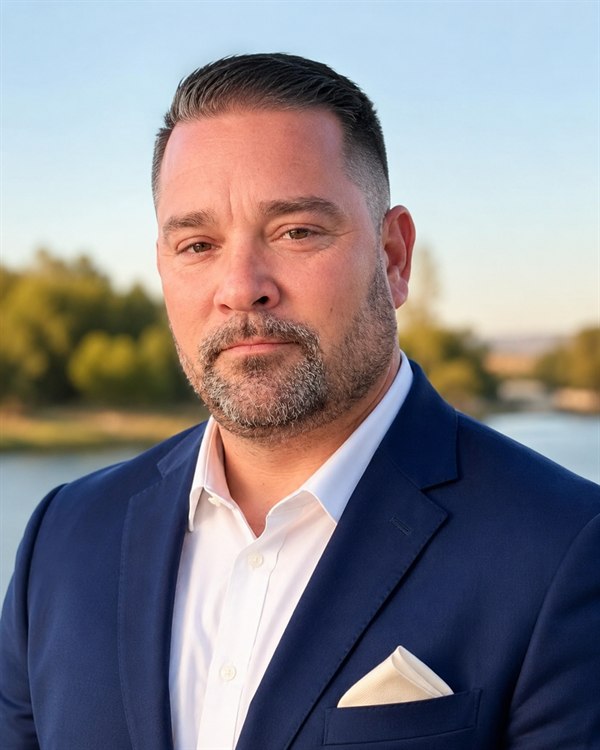
Founder & Principal Consultant
Ryan Klagenberg is the founder of River City Ventures, an AI consulting and software firm based in the Sacramento region. An Army veteran, Ryan spent 19 years in information technology, including operations in deployed environments, followed by 13 years as an instructor for the federal government. He brings a practitioner’s approach to AI: find the workflow where it actually pays off, prove it in weeks, and hand over something the client owns.
His background is in keeping enterprise technology running, from networks and systems to security and the people who depend on them, and in teaching technical skills to people who need to use them the next day. That combination is why his AI work starts with how a team actually operates rather than what a vendor is selling. Today he builds agentic and retrieval-based applications, delivers hands-on AI training for teams, and develops data-driven tools that surface real opportunities from public records, including a federal contract scanner and a permit-monitoring platform for infrastructure providers.
Engagements are run directly by the person who scoped them. You will not be sold by a principal and delivered by a junior team.
Why Sacramento
State agencies, healthcare systems, law firms, and the businesses that serve them all share the same bottleneck: more paperwork than people. Being local means we can sit in the room, watch the actual process, and stay close enough to support what we build.
A first conversation costs nothing and usually clarifies more than a proposal would.